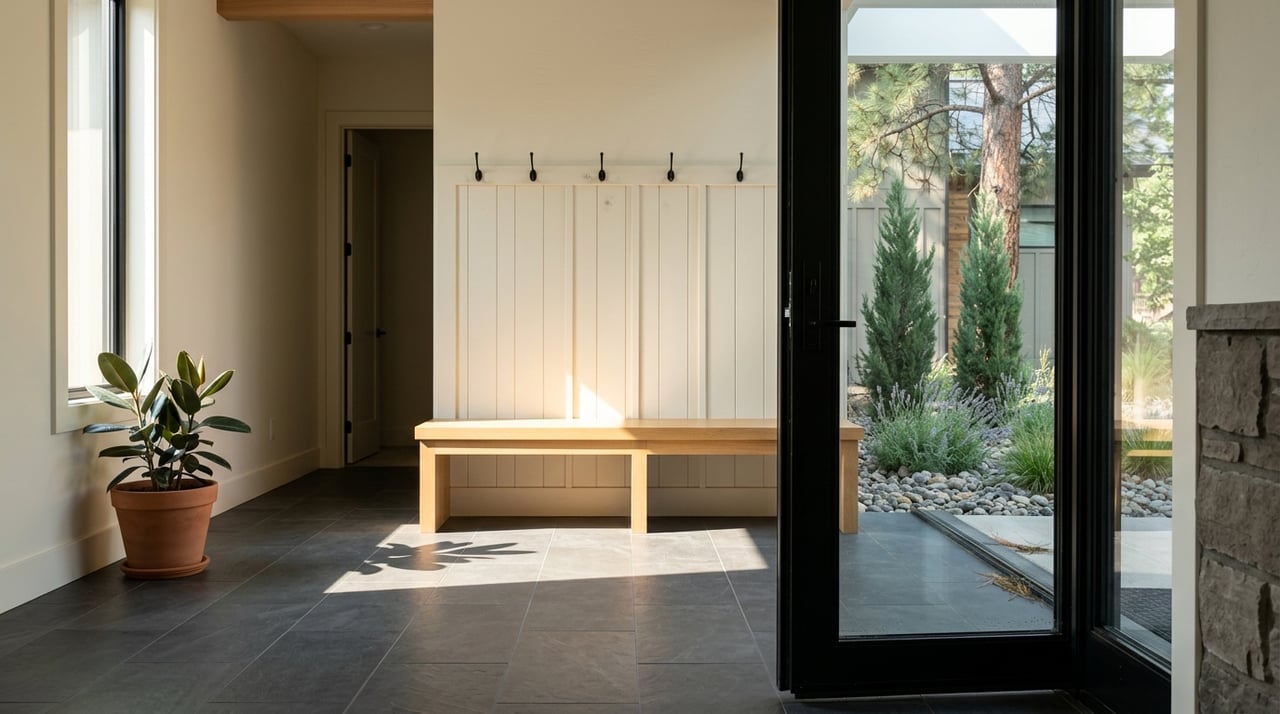
Moving From California to Carson City: What You Should Know
June 25, 2026
June 25, 2026
Thinking about trading California traffic, housing costs, and long commutes for something a little more manageable? If Carson City is on your radar, you are not alone. Many California buyers are drawn to Carson City for its smaller scale, lower housing costs, outdoor access, and steadier day-to-day pace. This guide will walk you through what to expect so you can plan your move with more confidence. Let’s dive in.
One of the first things you may notice is scale. Carson City’s 2025 population estimate is 58,571, and the city covers about 157.88 square miles. Population growth has been essentially flat since 2020, which helps explain why the market often feels steadier and less fast-moving than many parts of California.
That smaller-city feel can show up in your daily routine. The average commute time in Carson City is 20.5 minutes, compared with California’s statewide average of 28.7 minutes. If you are used to building your day around traffic, that change alone can feel significant.
For many California movers, housing is the biggest reason to take a serious look at Carson City. The median owner-occupied home value in Carson City is $453,000, while California’s statewide figure is $734,700. Median gross rent is $1,248 in Carson City compared with $2,036 statewide in California.
That does not mean every home is inexpensive or that every neighborhood fits every budget. It does mean that, on a broad level, Carson City housing costs are materially lower than California’s statewide figures. If you are selling in California, you may find that your budget stretches differently here.
It is also worth knowing that homeownership is common in Carson City. The owner-occupied housing unit rate is 62.3%, which reflects a market where owning is the dominant housing pattern. For buyers planning a long-term move, that can make Carson City feel like a place where people put down roots.
Lower housing costs are only part of the picture. Carson City’s median household income is $72,355, compared with California’s statewide median of $99,122. That gap matters if you are relocating for work, planning a business move, or trying to map out your monthly budget.
In other words, your cost structure may improve in some areas, but the local income landscape is different too. If you work remotely or are bringing California-based income with you, Carson City may feel especially attractive. If you are changing jobs as part of your move, it is smart to evaluate the full financial picture.
Climate is another major adjustment for many California buyers. Carson City sits at 4,761 feet and has a high-desert pattern shaped by the Sierra Nevada, which blocks moisture from Pacific air currents. That leaves the basin comparatively dry and desert-like.
January average temperatures are 45.5 degrees for the high and 24.1 degrees for the low. In July, average temperatures are 89.5 degrees for the high and 54.8 degrees for the low. Annual precipitation is 9.34 inches, and annual snowfall averages 14.0 inches.
If you are moving from a milder part of California, winter will likely feel colder and snowier than what you are used to. The dry air may also take some adjustment. On the other hand, many buyers appreciate having four clearer seasons and warm summer days with cooler mornings and evenings.
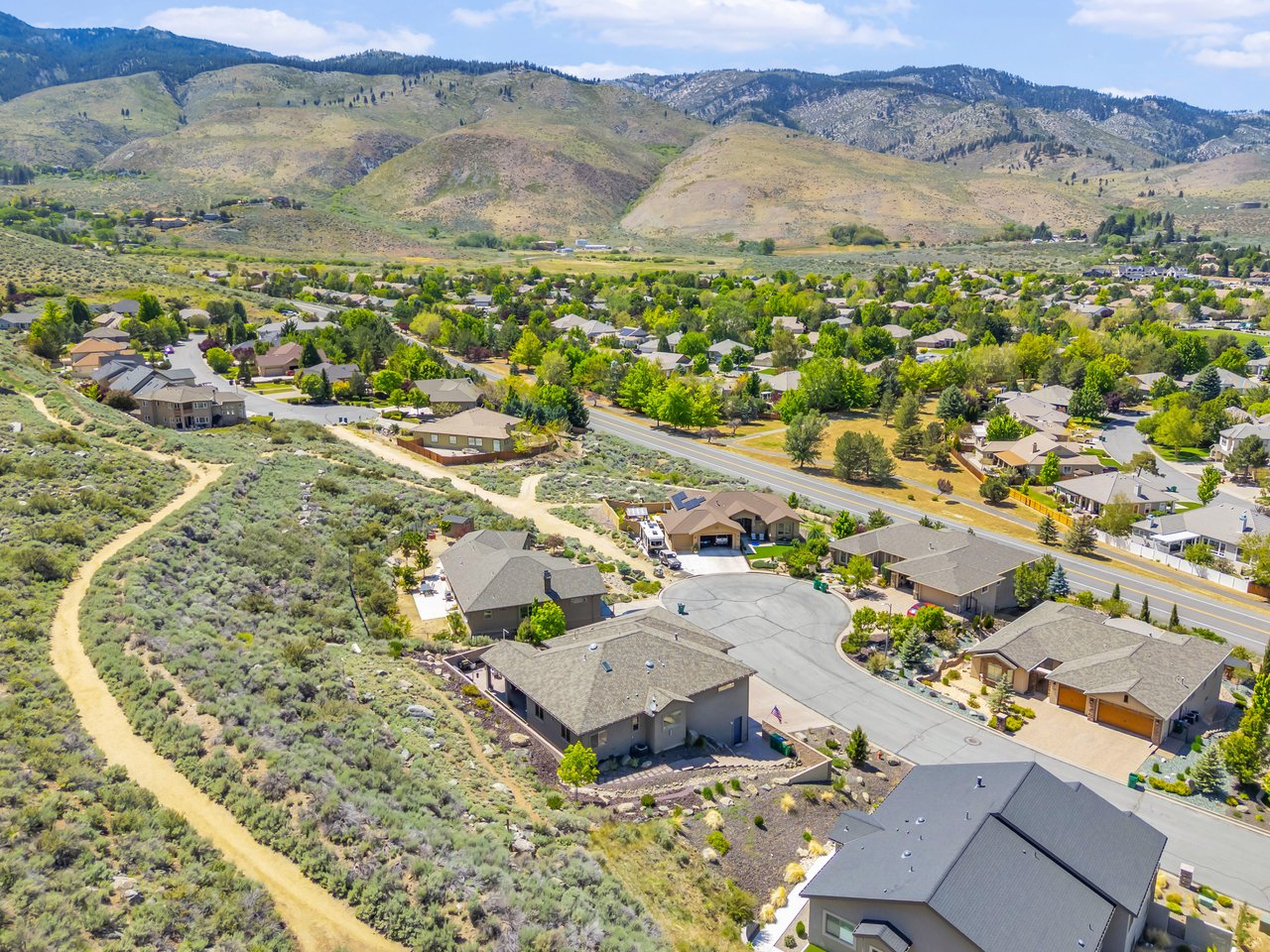
If you want more room to get outside, Carson City delivers. The city says it has about 8,000 acres of parks and open space along with more than 100 miles of trails. Open-space properties include Carson River Park, Prison Hill Recreation Area, Ash Canyon, and Lone Mountain Park.
That kind of access can shape your everyday routine, not just your weekends. In Carson City, it is realistic to build walks, trail time, or quick outdoor breaks into a normal day. For many California transplants, that balance is one of the biggest lifestyle upgrades.
A common question is whether Carson City feels rural. The better answer is that it often feels more open and less dense than many California metro areas, while still offering city services and infrastructure. You still have utilities, transit, major road corridors, and a historic downtown core.
Carson City also operates JAC fixed-route and paratransit service. That, paired with shorter average commute times, supports a manageable small-city rhythm. You may find that errands, appointments, and recreation are easier to fit into the same day.
If you are coming from California, it helps to think less in terms of hype and more in terms of how you want your day to work. Carson City’s planning materials emphasize livable neighborhoods, open lands, downtown, historic preservation, and specific plan areas. That points to a market with a mix of older central homes, newer planned areas, and lower-density edge locations.
If walkability and older character matter to you, downtown or the historic core may be worth exploring first. Carson City maintains historic-district tours, including the West Side National Register Historic District, along with official walking and driving tours. These areas can give you a stronger sense of place and a more established streetscape.
If convenience is high on your list, areas along South Carson Street and East William Street may make sense. These corridors are tied to commercial access and everyday services. They have also been the focus of city corridor-improvement efforts, which highlights their role in daily movement through the city.
If you want a quieter setting or more elbow room, look at edge areas near the city’s open-space and trail system. These locations may appeal if outdoor access is part of your routine or if you prefer lower-density surroundings. For some buyers, this is where Carson City feels most different from California suburbia.
If you are still in the early stages, a scouting trip can tell you more than hours of online browsing. A strong visit should include at least three types of stops so you can compare how each area feels in real life.
Start with a stop in historic downtown or the West Side area. Then spend time along South Carson Street or East William Street to get a feel for convenience and traffic flow. Finally, visit a trailhead or open-space property so you can compare parking, noise, access, and how the setting matches your daily habits.
As you tour, pay attention to your real routine. Think about grocery runs, commuting, recreation, and the kind of home setting you actually enjoy. The best neighborhood for you is usually the one that makes ordinary days easier.
Once your move becomes official, there are a few practical steps to handle quickly. In Nevada, new residents must obtain a Nevada driver license and vehicle registration within 30 days. If you bring a vehicle from another state, it needs a VIN inspection before it can be registered or titled.
You will also want to set up local utilities. Carson City Utility Billing handles water, sewer, and stormwater service, and the city offers online account setup and bill payment. New utility accounts do carry an establishment fee, so it helps to budget for that as part of your move.
For travel and transportation, Carson City operates JAC and also has a city airport used by private and air-taxi operators. Depending on your lifestyle, those details may or may not matter every day, but they are part of the bigger picture as you settle in.
Before you move, keep your planning centered on the basics that will shape daily life the most:
If you can answer those questions clearly, your move gets much easier. Instead of comparing Carson City to every part of California, you can focus on whether it fits the life you want next.
Carson City is not a copy of California at a lower price point. It is a smaller, more open, high-desert capital city with a historic core, practical daily rhythms, and strong outdoor access. For many buyers, that mix is exactly the appeal.
If you are planning a move from California and want local guidance on neighborhoods, home styles, or how to narrow your search, Heidi Mcfadden can help you make sense of the Carson City market with clear, local advice.
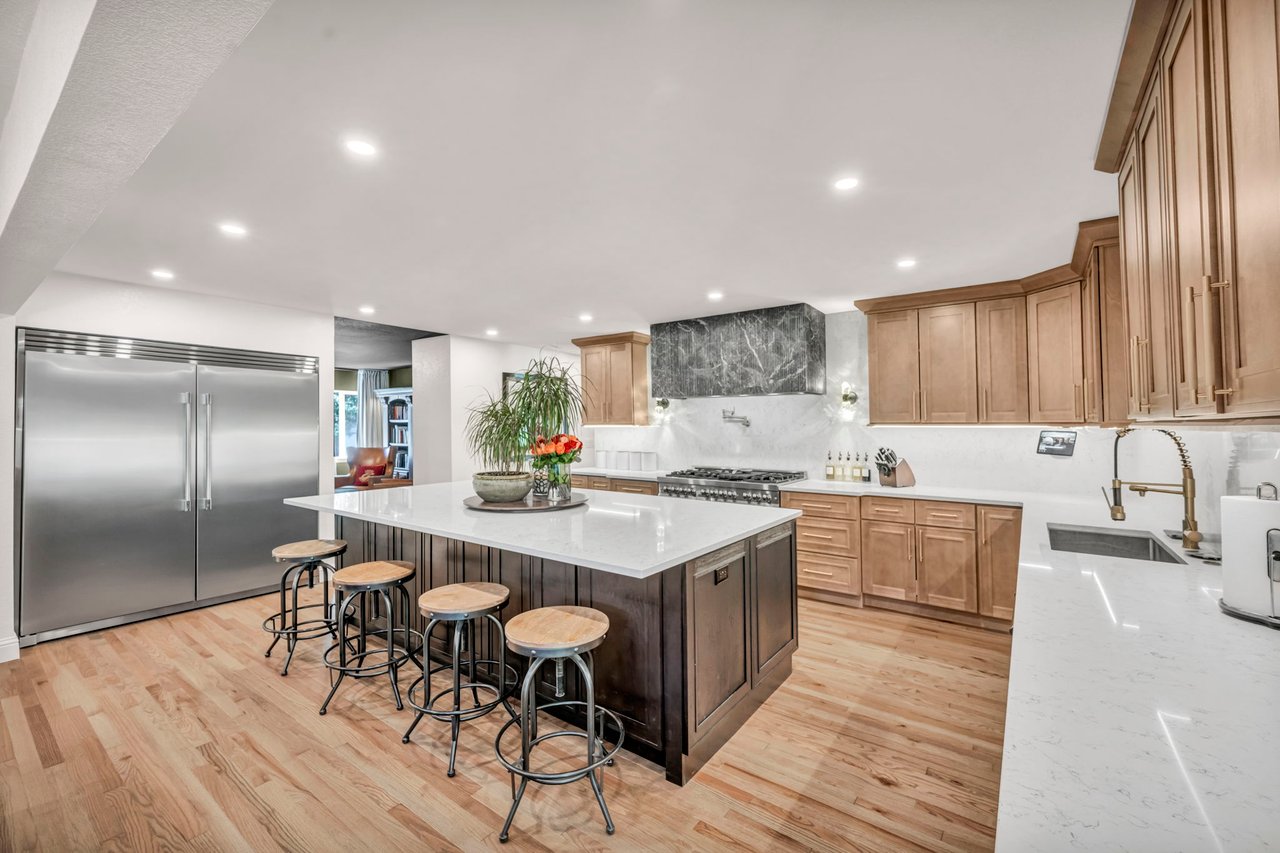
3233 Harvard Drive in Carson City, Nevada
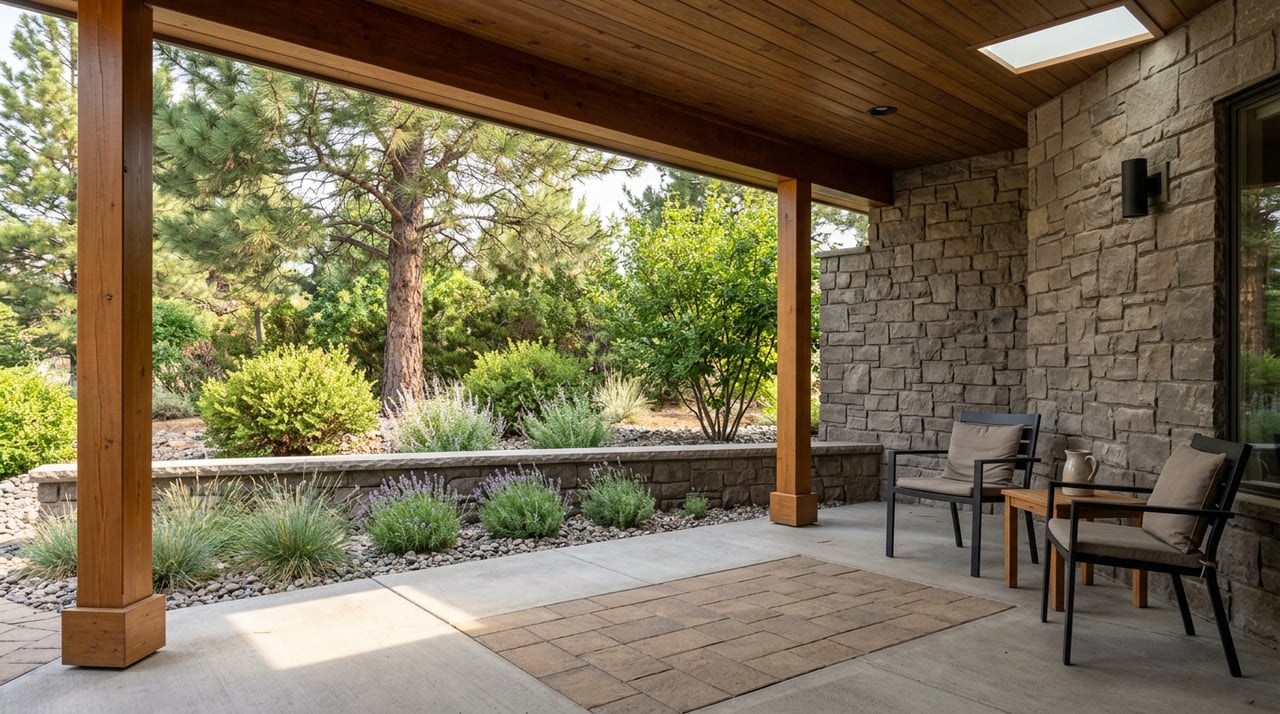
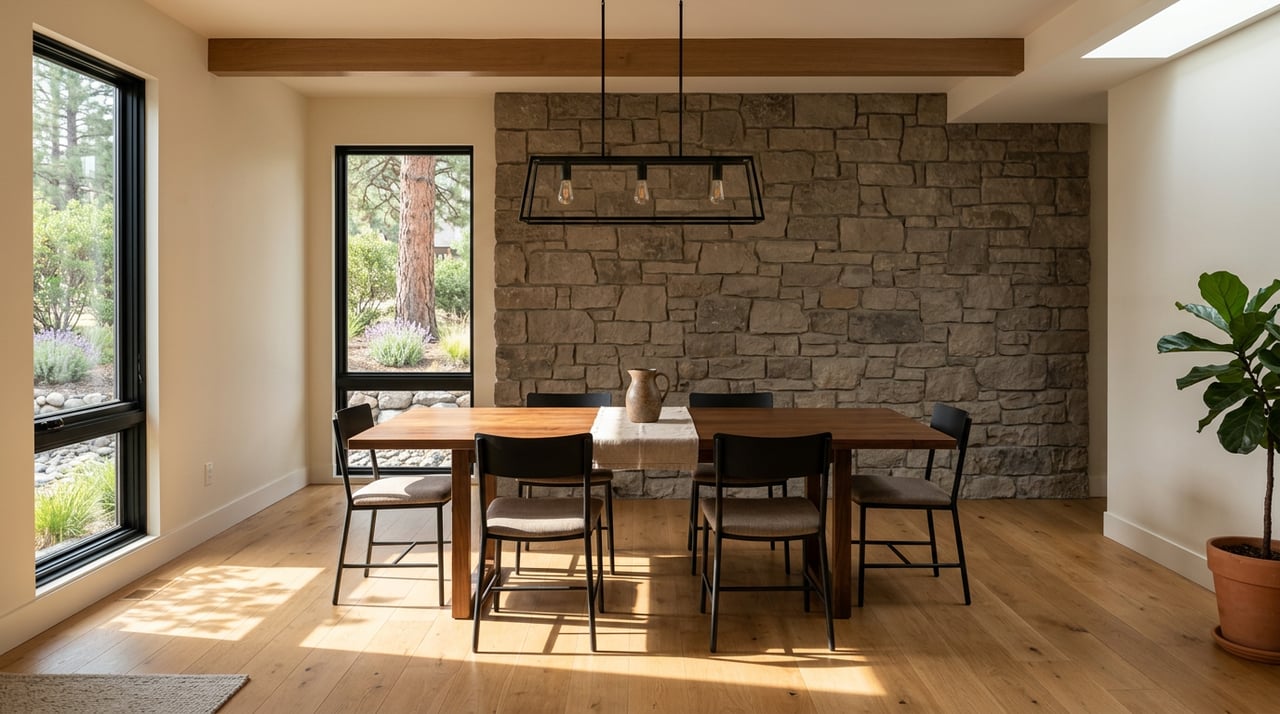
Life in Nevada
Some homes check the boxes. Others create an experience.
Model 1 is now complete!
Whether you are looking for a luxury estate or a horse property, Heidi is the specialist you need. She combines her professional real estate acumen with a personal passion for the equestrian lifestyle. Connect with her to navigate the unique Northern Nevada landscape with confidence.