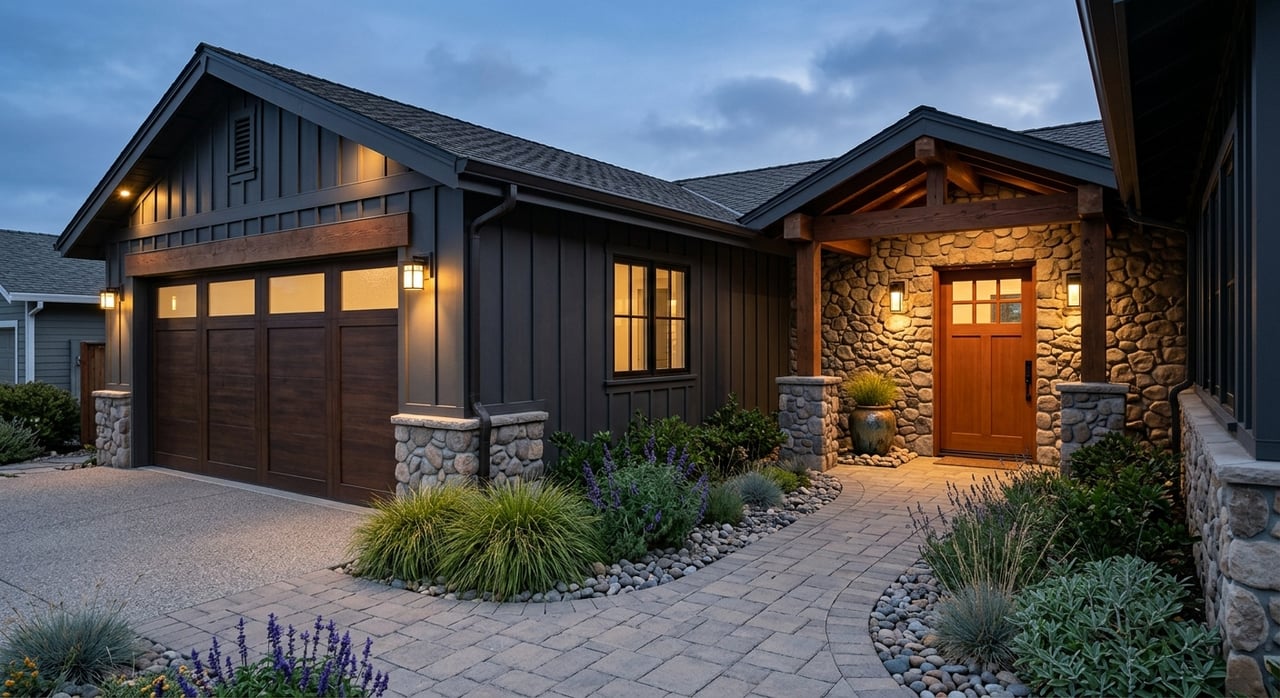
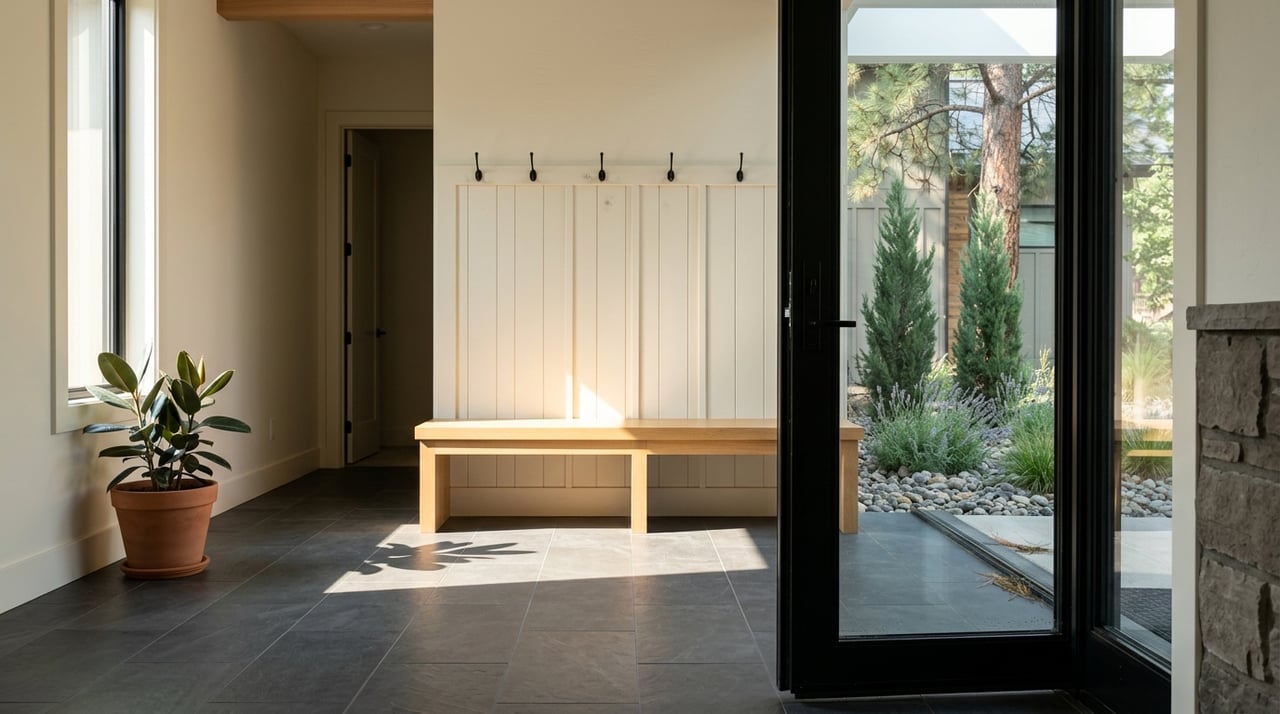
Is your current Carson City home starting to feel a size too small? If you want more elbow room, a bigger yard, or a different lifestyle fit, you have great options across the valley. As of January 2026, typical single-family values run roughly from the upper $400,000s to low $500,000s citywide, and many move-up budgets land between about $450,000 and $900,000 depending on lot size, views, and community features. In this guide, you’ll compare neighborhood types by space, style, HOA, schools, and recreation so you can zero in faster. Let’s dive in.
Carson City move-up market at a glance
Carson City shows modest inventory and a “somewhat competitive” pace, which varies by neighborhood and lot type. New phases and golf-course lots often move faster. Citywide medians help with context, but each area prices differently based on lot size, views, age, and amenities. The sections below outline what you actually get for your budget in key parts of town.
Neighborhood archetypes that fit your priorities
New construction and master-planned
What you get:
- Open-concept floorplans, 3 to 5 bedrooms, energy-efficient systems, and builder warranties.
- Predictable lot sizes and low-maintenance yards with HOA-managed standards.
- Pricing commonly from the mid $400,000s into the mid $800,000s depending on plan and lot.
Representative communities:
- Timberline Crossing in East Carson City features lots about 5,600 to 13,400 square feet and homes about 1,400 to 2,600 square feet, with advertised entry points in the mid $400,000s. See current floorplans and lot ranges on the builder page for Timberline Crossing.
- Valley Knolls and The Ridge sit higher on finishes and homesites, with examples showing the high $500,000s to mid $800,000s in recent marketing. Explore the Valley Knolls master plan for details on layouts, HOA structure, and phases.
Why choose it: Newer systems, fewer immediate repairs, and potential builder incentives. Tradeoffs include HOA rules and younger landscaping compared to older neighborhoods.
Golf and amenity-focused areas
What you get:
- Course-frontage or near-course homes, groomed streetscapes, and community feel.
- Lot sizes from modest yards to larger parcels, with premiums for frontage and views.
- Pricing often spans the mid $500,000s to the $800,000s and up for upgraded, view-facing homes.
Representative areas:
- Silver Oak anchors around an 18-hole public championship course. Learn about the course environment at the Silver Oak Golf Course page.
- Empire Ranch Estates offers many parcels around 9,000 to 11,000 square feet, with values typically from the mid $500,000s to $750,000+ depending on finishes and proximity to fairways.
- Sunridge and Sunridge Heights offer golf access and varied lots, partly extending into Douglas County; see the Sunridge Golf Club overview for context.
Why choose it: Lifestyle amenities, scenic value, and entertaining space in a pocket-community feel. Tradeoffs include higher premiums for course-adjacent properties and any fees associated with club use.
Established suburban neighborhoods
What you get:
- Mature trees, steady streets, and a mix of single-story ranches and two-story homes from the 1990s to 2000s.
- Lot sizes often between 6,000 and 12,000 square feet.
- Fewer or modest HOA requirements compared to newer master plans.
Representative areas:
- Phases within Silver Oak not directly on the course, plus Jackson Village, Heritage Park, and Little Lane. You’ll find balanced access to daily needs and schools with fewer new-construction premiums.
Why choose it: Mature landscapes, convenience, and neighborhood stability. Tradeoffs include budgeting for updates to older systems over time.
Downtown and historic West Side
What you get:
- Smaller lots and older home styles with character, from Victorian and Craftsman to mid-century.
- Short walks to restaurants, museums, and state offices.
- Wide price variation based on renovation level.
Local context: The West Side Historic District features properties recognized on the National Register, which adds unique charm and considerations. Learn more about the area’s historic significance from Carson Now’s overview.
Why choose it: Walkability and character near the core. Tradeoffs include smaller yards, potential renovation costs, and added permit considerations for historic homes.
Rural acreage and foothills
What you get:
- One-acre plus parcels and custom homes with privacy and room for hobbies.
- Space for gardens, shops, and in some cases horses, with clear zoning checks.
- Pricing spans a broad range, often $500,000 to $1 million plus, driven by acreage, views, and improvements.
Representative areas:
- Kings Canyon, Clear Creek, and outer foothill pockets around the valley. Expect longer drives to shopping and additional due diligence on utilities.
Why choose it: Privacy, space, and a close-to-nature feel. Tradeoffs include wildfire risk management, occasional private well or septic systems, and longer daily trips.
Decision checklist and key tradeoffs
Use this list to compare neighborhoods and plan smart tours.
- Lot size vs. everyday access
- Clarify whether a bigger yard or close-in convenience matters more. Builder communities publish lot maps and ranges. For example, Timberline Crossing lists lots about 5,600 to 13,400 square feet, while many Empire Ranch resales sit around 9,000 to 11,000 square feet.
- Monthly costs and HOAs
- Newer master plans include HOAs. Review CC&Rs, monthly dues, and any transfer fees before you write an offer. Recent phase pages for Valley Knolls outline structure and builder incentives.
- Schools and boundaries
- Verify attendance by address with the Carson City School District. Boundaries shape daily routines and can influence demand. Check the current list and contact details on the Carson City School District schools page.
- Hazards and insurance
- Wildfire: Properties in foothills or the wildland–urban interface often require defensible space and may have higher premiums. Review Carson City’s Wildland Fuels Reduction program for local guidance.
- Flood: Some low-lying parcels near Clear Creek or the Carson River fall in FEMA flood zones. Confirm a parcel’s current status against recent federal updates to flood hazard determinations using this federal notice of mapping changes.
- Property taxes and assessments
- Commuting and seasonal travel
- I-580 and US-395 connect to Reno in about 30 to 40 minutes in normal conditions, and US-50 leads straight to Tahoe but can be weather sensitive. Test-drive your commute during peak hours to confirm real-world timing.
- Renovation vs. new-build
- New construction typically reduces near-term repair risk and offers modern systems, though price per square foot can be higher. Older homes may deliver larger lots or character at a lower entry price but require budgeting for roof, HVAC, or plumbing updates. Review builder specs and timelines for Timberline Crossing or similar communities when comparing.
Quick comparison cheat sheet
- Timberline Crossing, East Carson City: Lots roughly 5,600 to 13,400 square feet. Homes about 1,400 to 2,600 square feet. Prices often start in the mid $400,000s with possible incentives. Best for low-maintenance yards and new systems.
- Valley Knolls and The Ridge: Larger homesites and premium finishes, with examples in the high $500,000s to mid $800,000s. Best for buyers who want space inside a master plan.
- Silver Oak, Sunridge, Empire Ranch: Golf-oriented living with scenic value. Silver Oak has seen recent sales from the high $600,000s to the $800,000s and up. Empire Ranch resale examples often fall from the mid $500,000s to $750,000+ with many parcels near 10,000 square feet. Ideal for course amenities and views.
- Historic downtown and West Side: Smaller lots and older home styles. Renovated properties can range from the mid $400,000s to $700,000+, driven by updates and location. A lifestyle-first choice.
- Kings Canyon, Clear Creek, rural foothills: Acreage, privacy, and custom builds. Pricing varies widely from around $500,000 to more than $1 million. Best for space, privacy, and outdoor pursuits.
What to ask your agent
Bring these questions to each tour and discovery call.
- What is the average lot size and setback on this block or phase, and how does it compare to nearby comps?
- What are the HOA dues, transfer fees, and any restrictions that could affect my plans?
- Which school boundaries apply to this address, and where can I verify them?
- What is the property’s wildfire and flood profile, and do I need extra inspections or insurance reviews?
- Are there any assessment or tax-cap considerations I should factor into my monthly budget?
- For new construction, what incentives are available, and how do lot premiums and timelines affect my total cost?
- For resales, which systems are original, what will they cost to replace, and how does that compare with a new-build alternative?
Parks, trails, and day-to-day life
Carson City offers easy access to parks, fields, and community recreation. Whether you prefer a neighborhood trail loop, playgrounds, or the aquatic center, review current offerings on the Carson City Parks and Recreation site as you compare areas. You will see subtle differences in access to larger parks between master-planned areas, established neighborhoods, and downtown blocks.
Ready to move up with confidence?
When you want a larger footprint or a better daily fit, local guidance speeds everything up. With deep Carson City expertise, strong builder relationships, and a track record across new construction, golf communities, and acreage, Heidi McFadden will help you compare options, confirm address-level details, and negotiate the right next home. If you are also selling, ask for a tailored plan and get your free home valuation to understand your equity and timing.
FAQs
What are typical prices for new builds vs. golf communities in Carson City?
- New builds often start in the mid $400,000s and run into the mid $800,000s depending on plan and lot, while golf-oriented homes commonly range from the mid $500,000s to $800,000s and higher for premium frontage.
How big are lots in Timberline Crossing and Empire Ranch?
- Timberline Crossing shows lots about 5,600 to 13,400 square feet, while many Empire Ranch parcels are around 9,000 to 11,000 square feet depending on the street and location.
How do I verify school boundaries for a specific Carson City address?
What wildfire and flood checks should I run before I buy near the foothills or river?
What should I know about HOAs in newer Carson City communities?
- Expect monthly dues, CC&Rs, and potential transfer fees, and review community pages like Valley Knolls for structure details and incentives before submitting an offer.