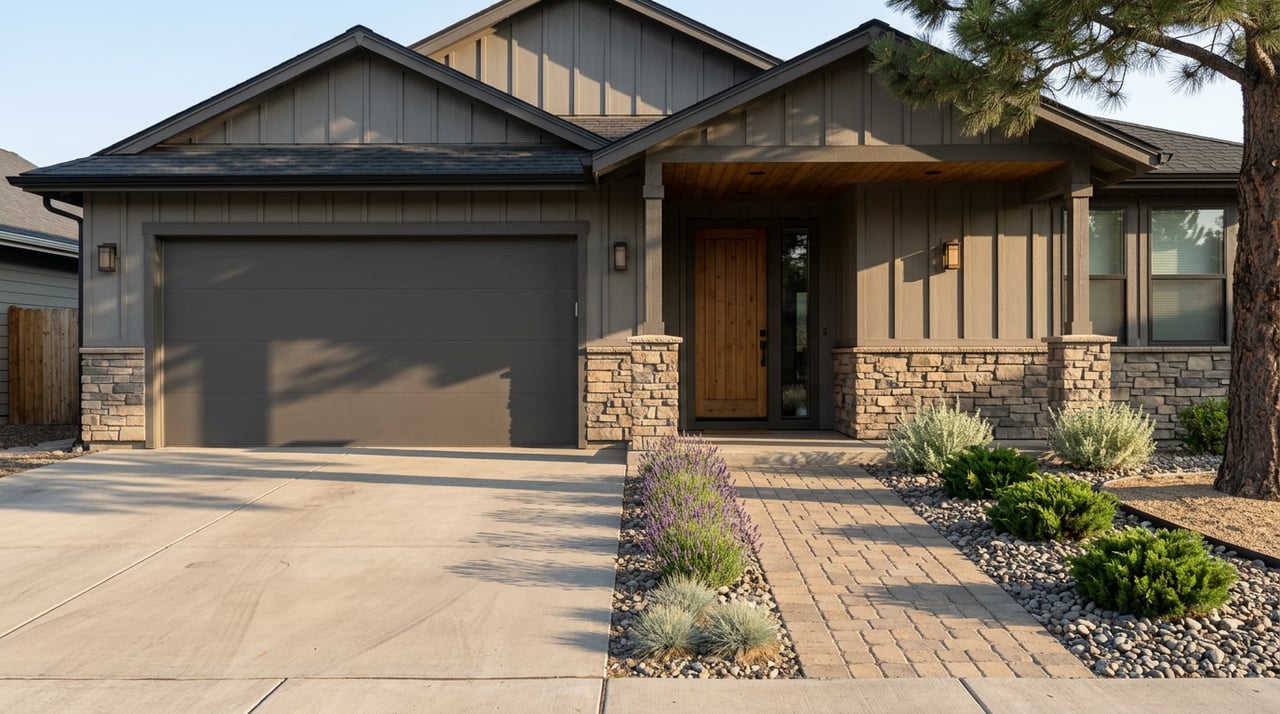
How To Buy Your First Home In Carson City
March 12, 2026
March 12, 2026
Buying your first home in Carson City can feel big and exciting. You want clear steps, straight talk on costs, and a trusted plan that fits your life here. In this guide, you’ll learn what homes really cost, how financing and assistance work in Nevada, the timeline to expect, and how to write a confident offer in our local market. Let’s dive in.
As of early 2026, typical single‑family values in Carson City sit around the mid‑$400s to mid‑$500s. Local MLS reporting from Sierra Nevada REALTORS shows recent medians near the low‑$500s, a reliable anchor for our market snapshot (SNRMLS county report). Consumer sites have ranged from about $468,000 to $525,000 during late 2025 to January 2026, which reflects different data methods. The key takeaway is simple: most first‑time buyers shop in the low‑$400k to mid‑$500k range.
Citywide figures hide zip‑level differences. Recent snapshots showed zip 89701 around $477,000 and 89706 around $472,000. That means your target zip code and neighborhood matter as much as the city median when you set expectations.
In Carson City, homes at or under the city median are the most competitive. Well‑priced listings in the low‑to‑mid $400k range often draw multiple offers. If you can stretch above the median or stay flexible on condition or location, you may gain leverage on price or terms. If you need to stay lower, consider condos, townhomes, or manufactured homes to expand your options.
Carson City’s housing mix leans heavily toward single‑family homes, with a meaningful share of condos and manufactured housing. Many homes were built between 1970 and 2000, so you should expect a lot of mid‑age systems and finishes. That age profile often shapes inspection priorities and budget planning (Carson City Chamber housing overview).
For a practical starting point, plan to tour 2–4 bedroom single‑family homes in the $450k–$600k band, with under‑$400k options less common. If you include condos, townhomes, or certain manufactured homes, you may find more approachable price points.
Before you shop, build a clear payment plan and explore financing early. A strong pre‑approval helps you compete and prevents surprises once you’re in escrow.
Always verify current loan limits and requirements with your lender, since they change year to year.
Nevada’s statewide Home Is Possible program can help with down‑payment and closing costs for qualifying buyers, and the state recently added targeted assistance for certain essential workers. Funding windows and terms vary, so connect with a participating lender early to confirm availability and fit (Home Is Possible).
Budget about 2% to 3% of the purchase price for typical buyer closing costs in Nevada. A recent statewide estimate puts the average near 2.9%, excluding your down payment (Nevada closing cost estimate). You will also prepay items like homeowner’s insurance, interest, and prorated taxes, plus HOA dues if applicable.
For property taxes, Carson City’s combined assessed tax rate for FY 2024–2025 was 3.5700 per $100 of assessed value, and Nevada assesses property at 35% of taxable value. Your parcel’s effective rate on full market value will differ based on assessment details, so it is best to verify with the local assessor or treasurer (Nevada Department of Taxation Redbook).
A clean, financed purchase typically takes about 30 to 45 days from contract to close. VA and FHA loans, association document waits, or repairs can add time. If you plan to use state down‑payment assistance, build in time for program paperwork within that same window. Your title and escrow teams will coordinate recording and closing logistics once your lender is clear to close.
To compete in tight segments, it helps to come in with a well‑documented pre‑approval, proof of funds for your earnest money and down payment, and clarity on your must‑haves.
Inspection timelines are negotiated, but 7 to 14 days is common for a general home inspection. In Northern Nevada, many buyers add a sewer‑scope camera check, radon test, and roof or HVAC certifications. Expect a base inspection plus add‑ons that can range from around $100 to $400 per test depending on the provider (Nevada inspection cost context). Lender‑ordered appraisals often complete within 2 to 3 weeks, depending on workload.
If the home is on a private well or septic, you should also plan separate system inspections. For properties in an HOA, order the resale packet right after your offer is accepted, since these documents can take several business days and sometimes longer.
Sellers in Nevada must provide a Seller’s Real Property Disclosure form to buyers. This is a legal milestone in the contract and helps you understand known property conditions. If the seller fails to provide the form as required, you may have rescission rights prior to conveyance. Review the state’s form and talk through any red flags with your agent (Nevada disclosure form).
A clear, complete offer helps you stand out without overreaching. Here are the main pieces to consider:
The goal is balance. You want strong terms, but also enough protection to make a sound decision.
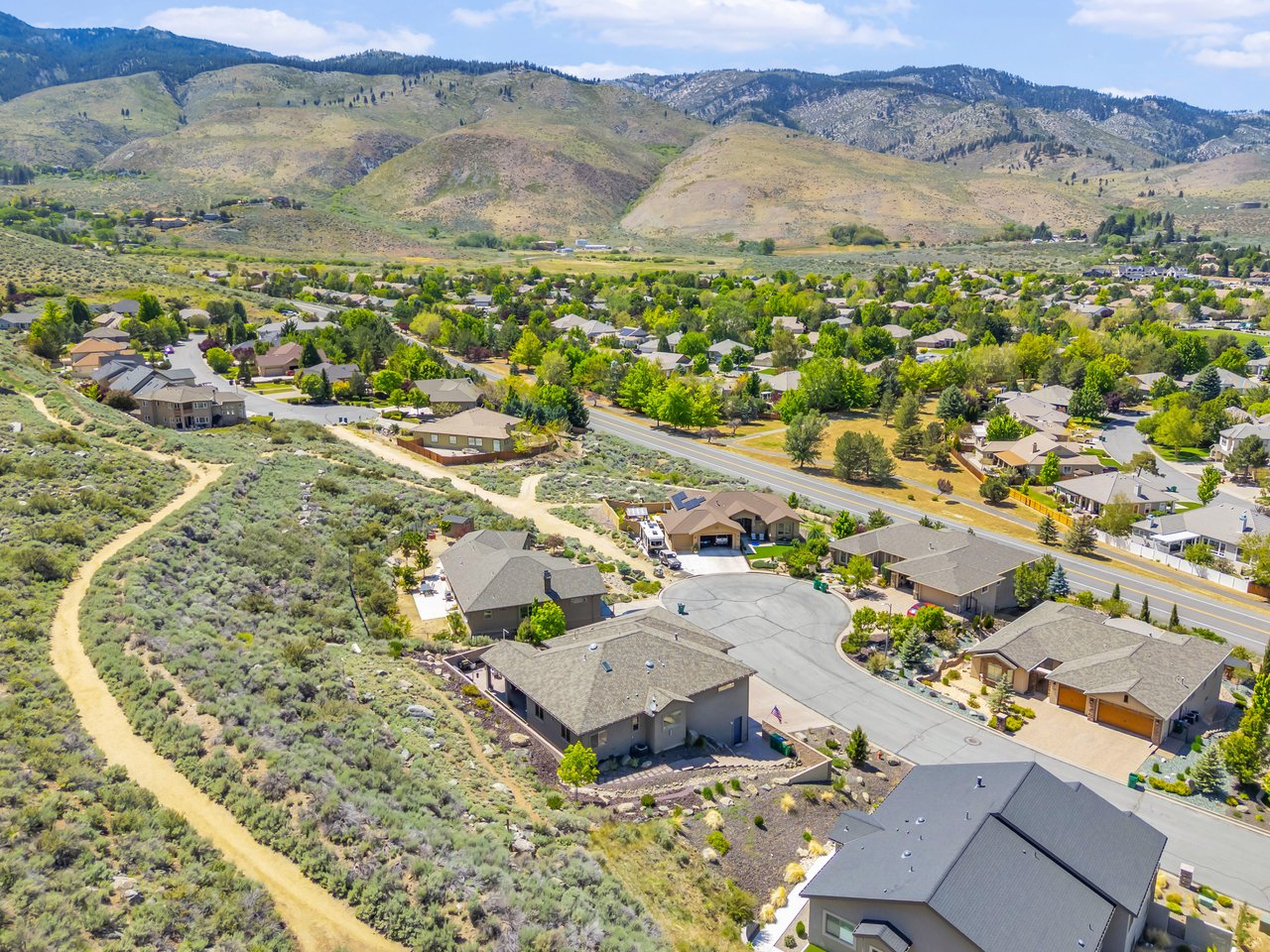
Carson City offers a smaller‑city feel with quick access to state offices, local services, and outdoor recreation. Many first‑time buyers narrow to one or two zip codes and set alerts for new listings that match commute and budget. With recent zip medians around $477,000 in 89701 and $472,000 in 89706, you can target areas that align with your price and home type preferences.
If you commute to Reno or head to Lake Tahoe often, weigh drive time against price and yard size. Older homes may offer larger lots and established neighborhoods, while newer builds can deliver energy efficiency and lower immediate maintenance. Your priorities will point you to the right mix.
Before you look
When you’re ready to shop
When you write an offer
During escrow
At closing
Buying your first home is a big step, and local guidance makes it easier. With more than two decades in Carson City, strong negotiation skills, and deep builder relationships, you get the boutique attention you want backed by regional resources to keep your deal on track. If you are ready to tour, want a second opinion on budget, or just need next steps, connect with Heidi McFadden for a friendly, no‑pressure game plan.
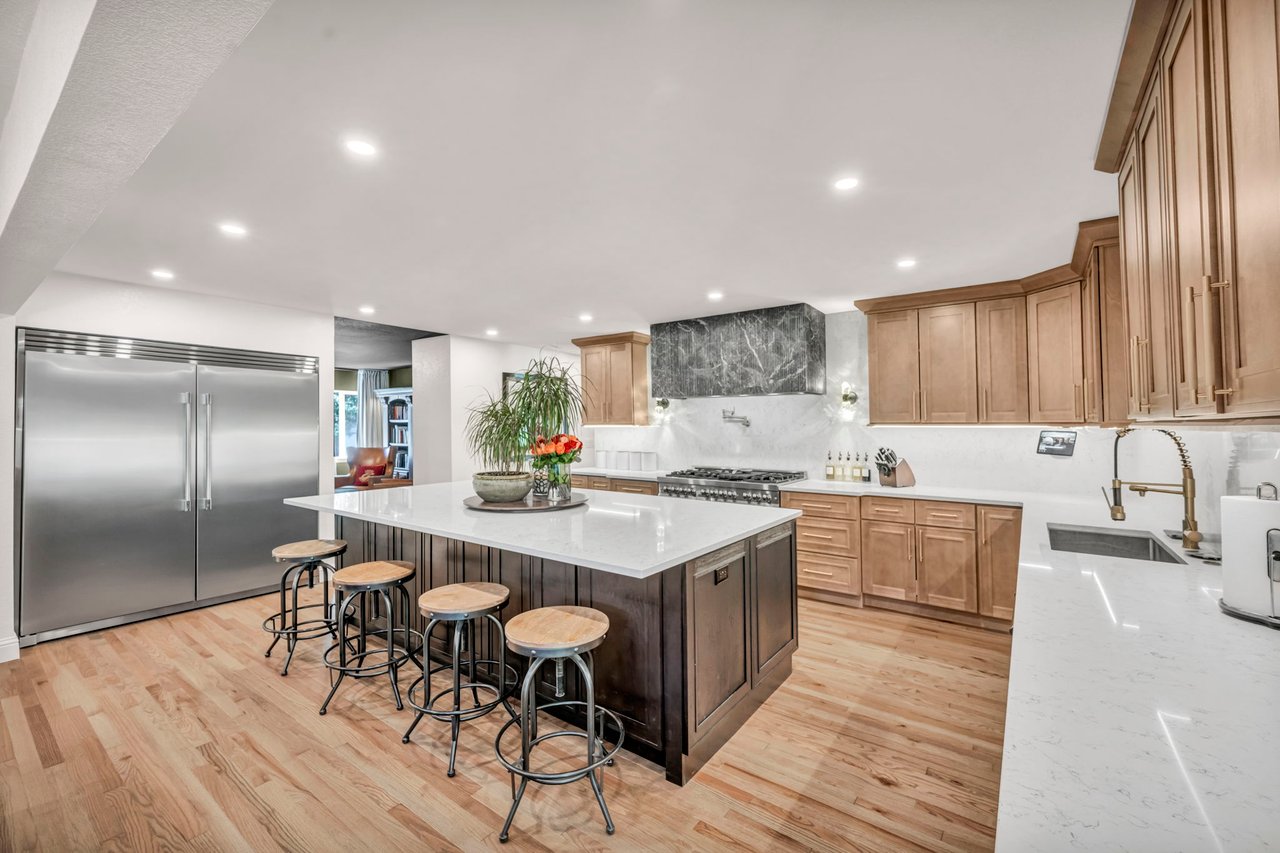
3233 Harvard Drive in Carson City, Nevada
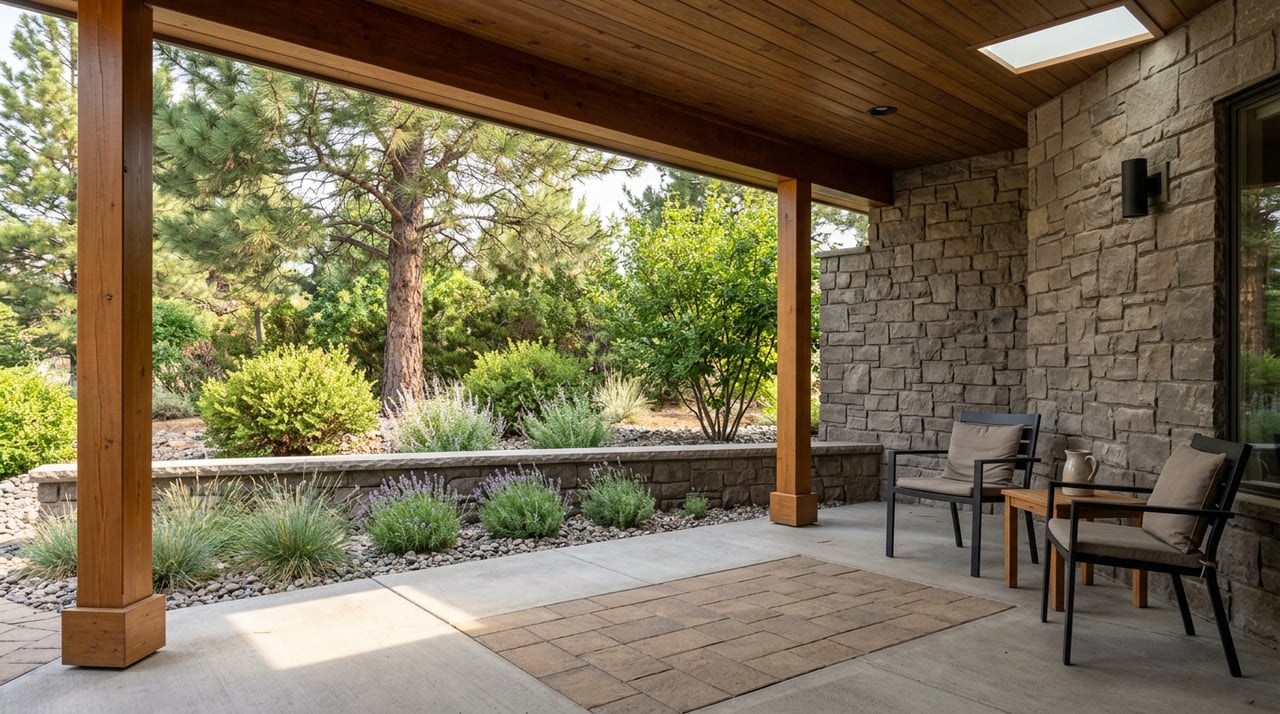
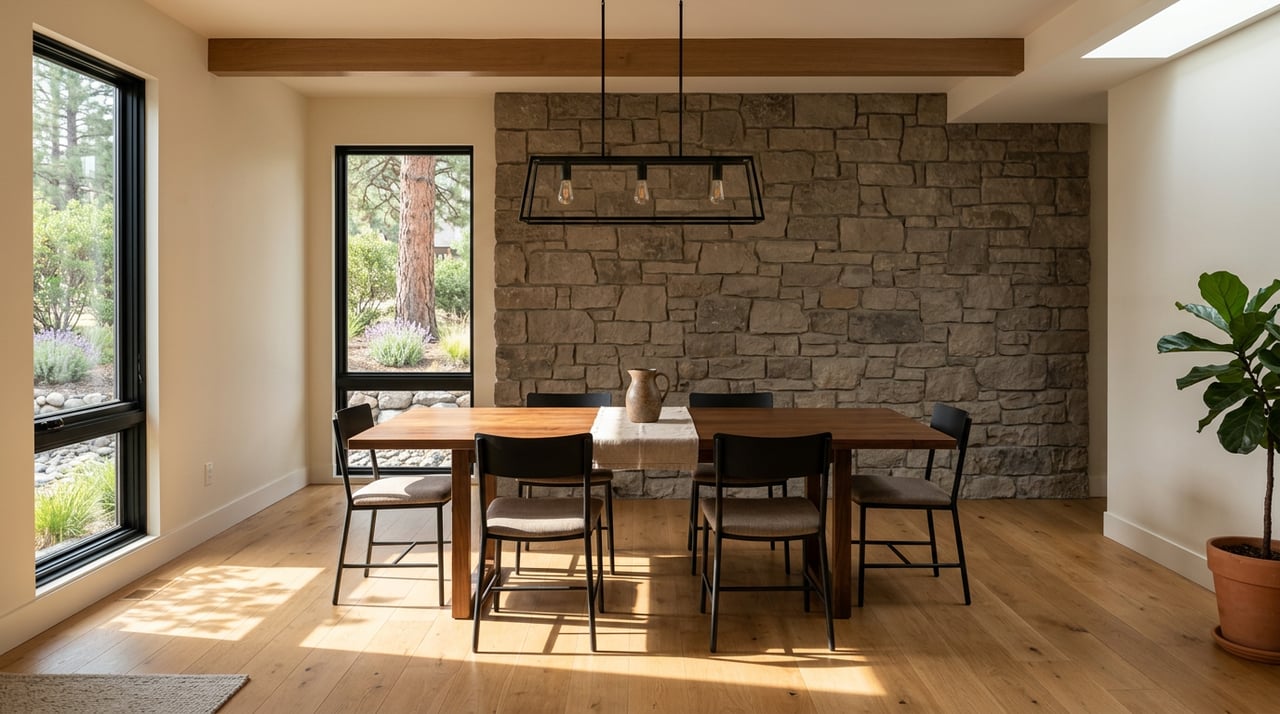
Life in Nevada
Some homes check the boxes. Others create an experience.
Model 1 is now complete!
Whether you are looking for a luxury estate or a horse property, Heidi is the specialist you need. She combines her professional real estate acumen with a personal passion for the equestrian lifestyle. Connect with her to navigate the unique Northern Nevada landscape with confidence.