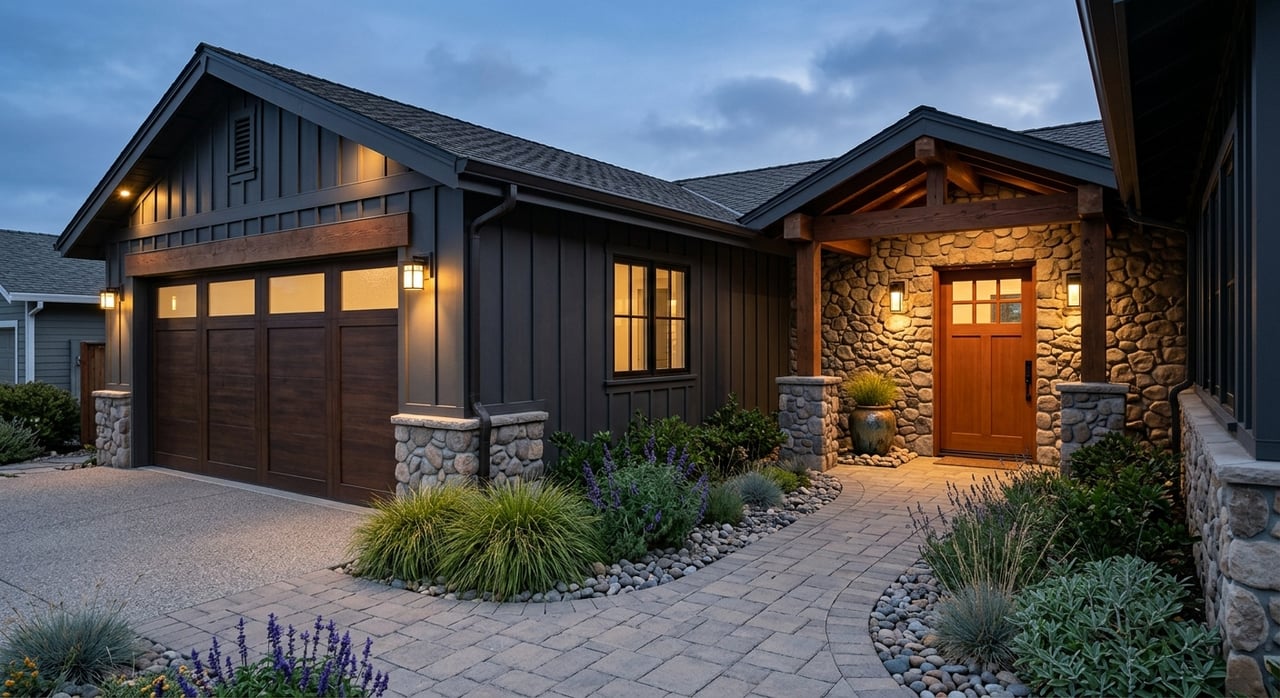
Investing In Rental Property In Carson City
July 2, 2026
July 2, 2026
If you are thinking about buying a rental property in Carson City, you are probably asking the right first question: will the numbers work in a market that feels steady, not flashy? That is a smart concern, because Carson City is not a market where headline rent alone tells the full story. You need to understand demand, neighborhood differences, and local rules before you commit. This guide will help you see what matters most so you can invest with more confidence. Let’s dive in.
Carson City offers a mix that many rental investors like: a stable employment base, a meaningful renter population, and a market that is shaped by long-term local demand rather than rapid swings. The city’s 2024 population estimate was 58,148, and 86.5% of residents lived in the same house one year ago. That kind of stability can be helpful when you are evaluating long-term rental performance.
The market is still mostly owner-occupied, with a 62.3% homeownership rate. At the same time, the city has a real rental base, with a median gross rent of $1,248 and a median home value of $453,000. That balance suggests opportunity, but it also means affordable entry points may be limited.
Another factor is the local economy. According to BLS data, Carson City had 32.8 thousand nonfarm jobs in May 2026, and government was the largest employment sector at 9.9 thousand jobs. With public-sector employers, service jobs, manufacturing, and hospitality in the mix, the tenant base tends to look durable rather than speculative.
Carson City is not just a single-family market. The 2025 NEAP housing snapshot shows 24,633 total housing units, with 64.6% single-family, 26.4% multi-family, and 9.0% mobile home or RV units. For investors, that matters because it opens the door to more than one rental strategy.
Vacancy data also adds useful context. Of 1,278 vacant units citywide, 23.5% were labeled for rent, while 9.5% were listed as seasonal or occasional use. That tells you Carson City has active rental inventory, but also some second-home influence in certain areas.
The renter income picture is important too. NEAP data shows 50.1% of renters earn less than $50,000, and rents are concentrated in the $500 to $1,499 range, with 39.3% in the $1,000 to $1,499 band. In practical terms, that can create a rent ceiling in some parts of the city, even if purchase prices rise.
Not every part of Carson City performs the same way as a rental market. Some areas are naturally more rental-oriented, while others skew more heavily toward owner-occupied housing. If you are comparing options, neighborhood composition should be part of your first screening step.
Central Carson City has 7,550 housing units, with 33.3% multi-family housing. It also has a relatively high share of vacant units labeled for rent at 37.3%. That combination can make this area worth a closer look if you are targeting properties with established rental demand.
The area’s homeownership rate is 56.2%, and median household income is $65,290. Those numbers suggest a balanced market where rental housing already plays an important role.
Northeast Carson City also leans rental-friendly. It has 8,355 housing units, 28.2% multi-family housing, and 23.9% of vacant units listed for rent. The homeownership rate is lower here at 41.2%, with a median household income of $56,890.
For some investors, this may point to stronger rental orientation than other parts of the city. It may also be a useful area to study if your focus is on stable occupancy and attainable rent ranges.
Southeast and west Carson City are much more owner-heavy. Southeast has a 65.2% homeownership rate and a median household income of $92,105, while west Carson City has an 82.6% homeownership rate and a median household income of $95,431.
That does not automatically make these areas poor investment choices. It does mean you may need a more specific strategy, such as targeting a property with stronger long-term appreciation potential, second-home appeal, or a unique location advantage.
A rental property does not succeed on price alone. In Carson City, everyday livability can influence demand just as much as the monthly rent.
The city’s average commute time is 20.5 minutes, which supports convenience for many workers. Carson City also maintains a trail system and open-space network that exceeds 7,000 acres through its Quality of Life initiative. In addition, the downtown Carson Street corridor has seen major infrastructure improvements.
These kinds of features can support tenant appeal across different property types. When you are screening homes, it helps to think not just about the unit itself, but also about access, daily convenience, and the surrounding setting.
This is one of the biggest reasons Carson City rental investing deserves local guidance. The city’s 2025 Master Plan update emphasizes compact growth, corridor revitalization, and diverse housing options within an urban services boundary. That means future use and redevelopment potential may depend heavily on zoning and land-use rules.
A property that looks simple at first glance may have more layers once you check allowable use, density, parking, occupancy classification, or permit history. Carson City’s Permit Center can help identify current zoning, allowed uses, prior land-use decisions, and related property details. That can be critical before you close.
If you are looking on the west side, pay even closer attention. The city notes that the westerly portion of Carson City lies within the Lake Tahoe basin and Tahoe Regional Planning Agency jurisdiction, which can affect land use and redevelopment potential. That makes west-side underwriting a different conversation than buying in the core city.
A good rental analysis starts with realistic income, not best-case income. Begin with expected gross rent, then subtract vacancy and credit loss, operating expenses, and debt service. This gives you a more useful picture of actual cash flow.
Your expense planning should include routine items such as maintenance, insurance, taxes, and interest. You should also factor in monthly ownership costs that may apply to a specific property, such as HOA fees. If the property will be used part of the year as a second home and part as a rental, your expense reporting may need to separate personal and rental use.
In Carson City, local property tax treatment can also change the return. The city’s Property Tax Cap Claim Form states that a rental may qualify for the Low Tax Cap only if the maximum monthly rent collected between April 1, 2024 and March 31, 2025 was at or below the Carson City County fair market rent. The form lists the Low Tax Cap as 3% and the High Tax Cap as 8%, and it also states that new construction or a change in actual or authorized use does not qualify for the first year.
One of the easiest ways to make a costly mistake is to assume a property can be used the way you want because it is marketed that way. Carson City’s Permit Center specifically warns buyers and lessees not to rely only on sales-facing information when zoning or code issues may matter. That is especially relevant for investors.
The city offers Housing Safety Inspections of Rental Units, and the Fire Department conducts life-safety inspections for commercial and multi-family dwellings. If you are buying anything beyond a straightforward single-family rental, these compliance layers deserve extra attention early in your due diligence.
If your plan involves development or a larger project, the city’s Growth Management Program and Major Project Review process may also come into play. Carson City regulates the number of residential building permits issued each year, and multifamily projects can require a more involved review path.
For many investors, the best Carson City approach is not to chase the highest advertised rent. It is to match the right property type and location to the city’s actual demand patterns, income ranges, and land-use rules. In this market, boring can be good if boring means stable employment, practical commute times, and predictable tenant demand.
Central and northeast Carson City may be the most natural starting points if you want to study existing rental patterns. Southeast and west Carson City may call for a different lens, especially if you are weighing appreciation, second-home appeal, or more complex land-use issues. Either way, the quality of your screening process matters as much as the property itself.
That is where experienced local representation can make a real difference. A strong local advisor can help you compare neighborhoods, assess resale potential, spot red flags in permit history, and avoid buying a property that looks good on paper but creates problems later. If you want help evaluating Carson City opportunities with a practical local perspective, reach out to Heidi Mcfadden.
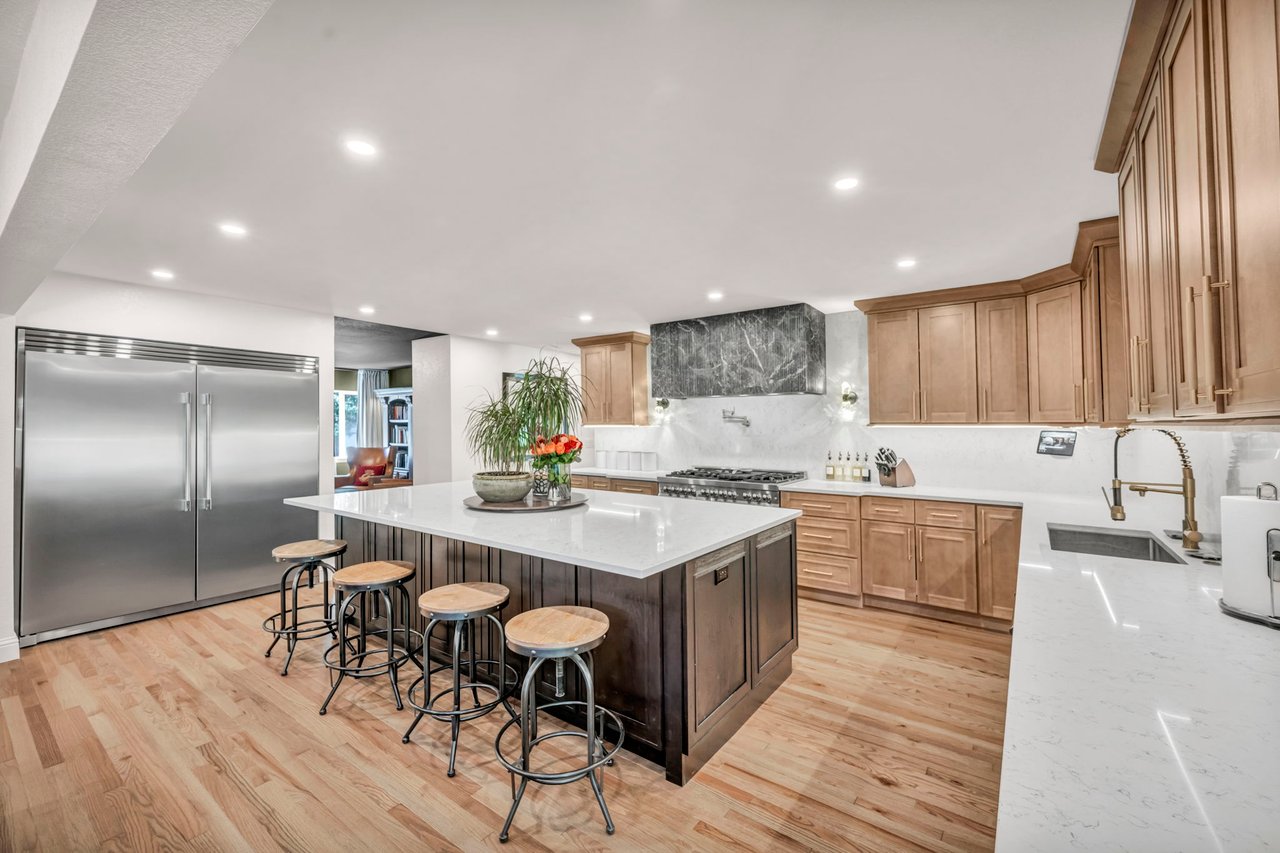
3233 Harvard Drive in Carson City, Nevada
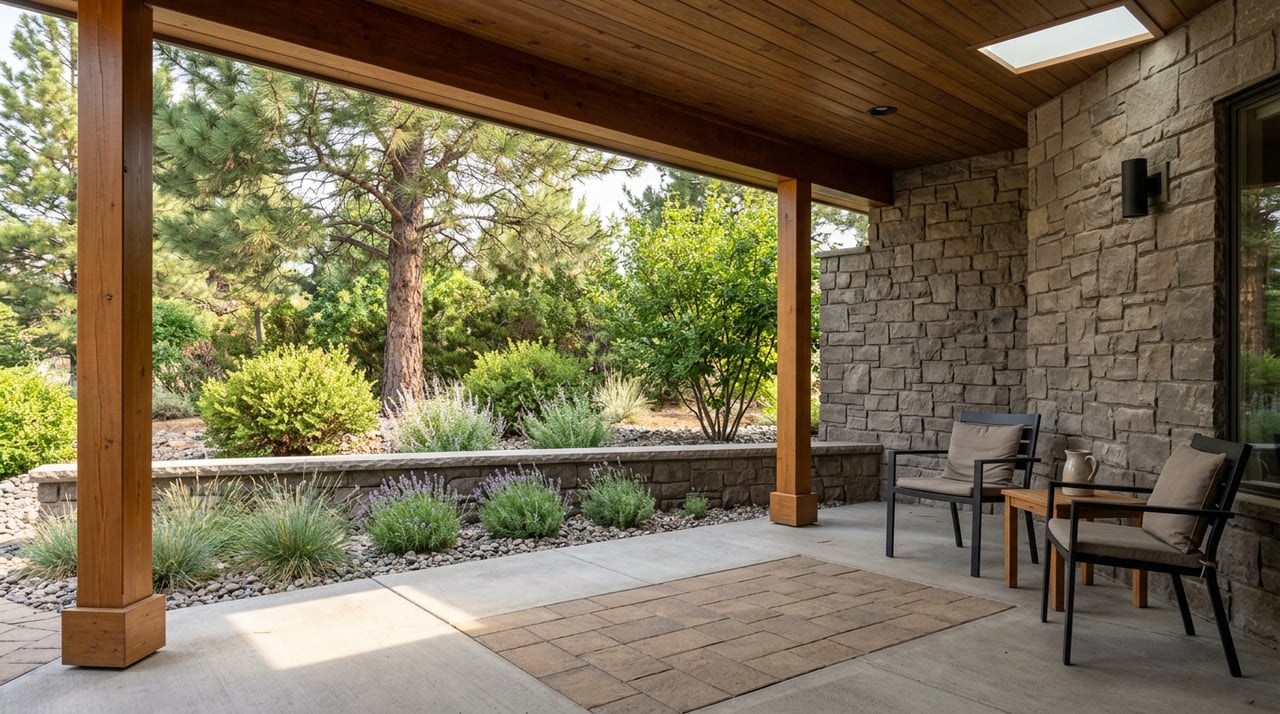
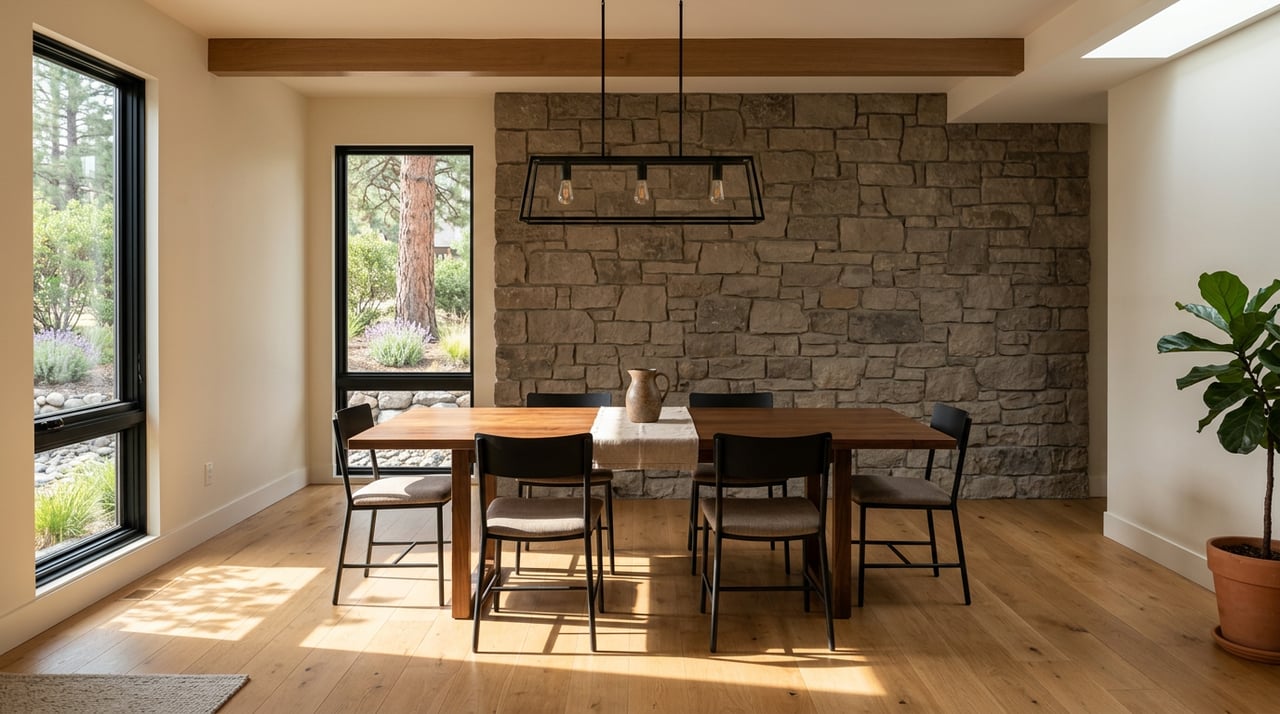
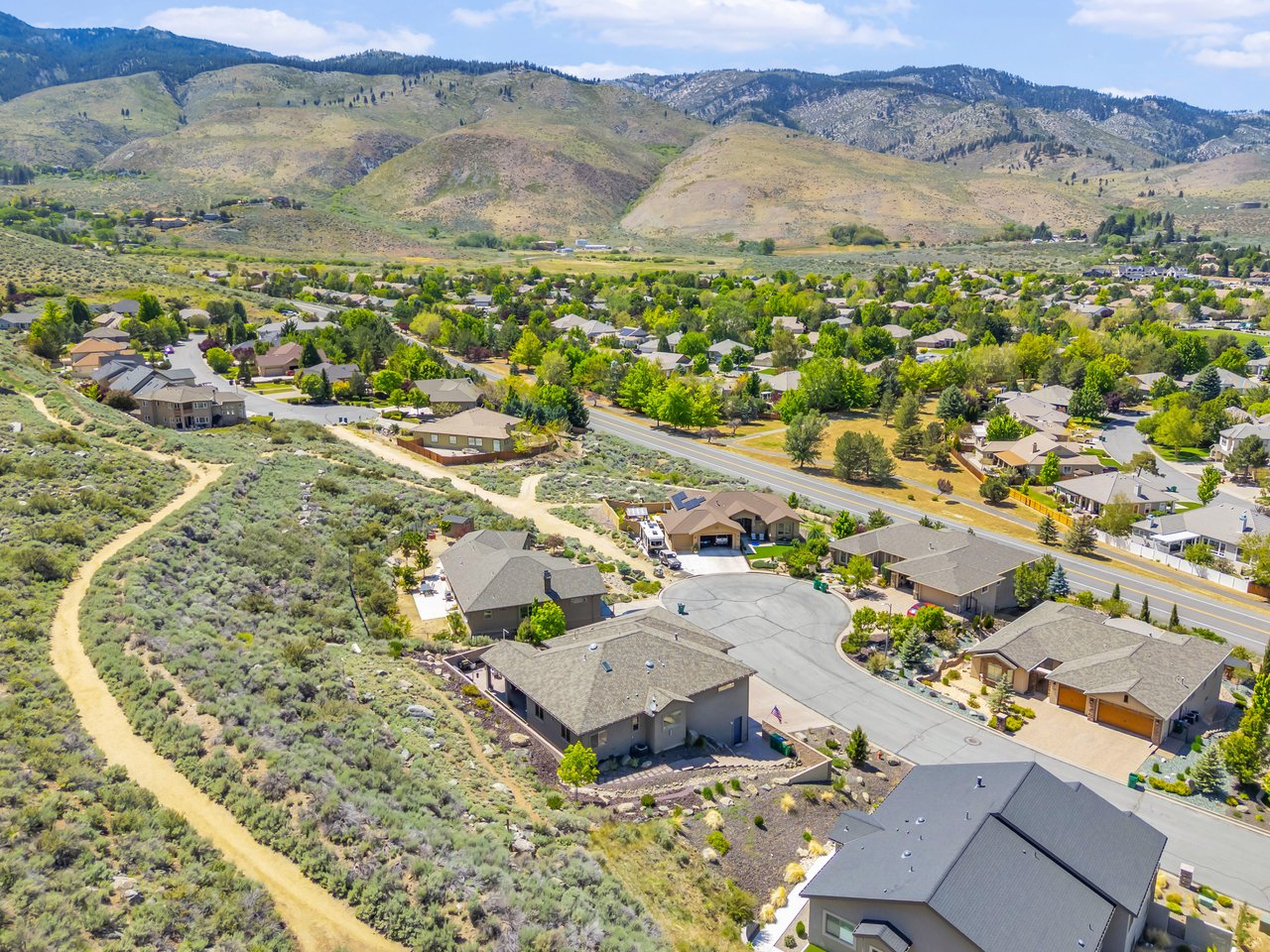
Life in Nevada
Some homes check the boxes. Others create an experience.
Model 1 is now complete!
Whether you are looking for a luxury estate or a horse property, Heidi is the specialist you need. She combines her professional real estate acumen with a personal passion for the equestrian lifestyle. Connect with her to navigate the unique Northern Nevada landscape with confidence.