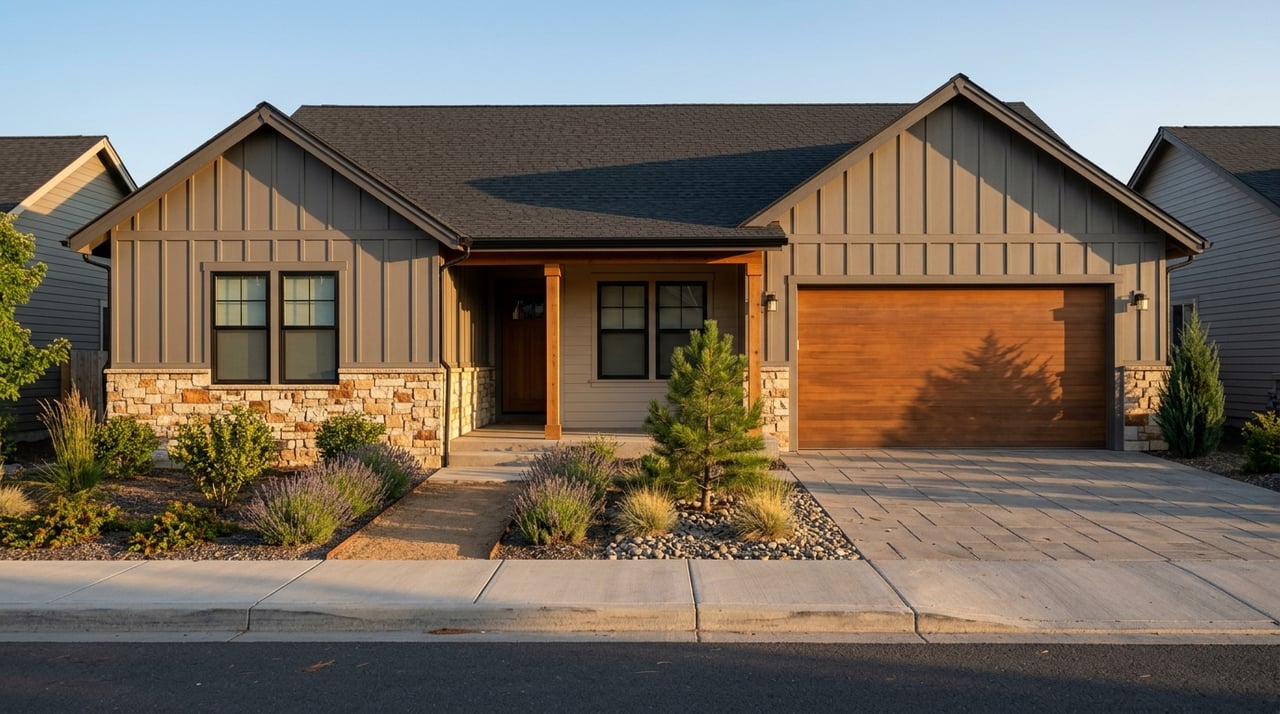
Walkable Carson City Neighborhoods Near Downtown Trails
May 14, 2026
May 14, 2026
If you want a lifestyle that blends historic streets, everyday convenience, and easy access to open space, Carson City deserves a closer look. Many buyers hope to find a home where you can walk to downtown spots, enjoy nearby trails, and still feel connected to the rhythm of daily life. In Carson City, that mix is possible in certain areas, especially near the downtown core and river corridor. Let’s dive in.
Carson City is not built like a large urban center, so it helps to set clear expectations. For most residents, this is better described as a car-light lifestyle rather than a fully car-free one. Still, if you choose the right location, you may be able to walk or bike to more of your routine stops and enjoy nearby outdoor access without always getting in the car.
The strongest walkability is concentrated in and around downtown. City planning documents describe a downtown mixed-use framework designed to support a broad mix of uses, small-scale infill, and redevelopment near historic neighborhoods. The city has also invested in downtown improvements that focus on the visual appeal and pedestrian experience along Carson Street.
Another reason downtown feels more walkable is the way the area functions day to day. The Nevada State Capitol sits in the heart of downtown, and it is within walking distance of restaurants, museums, and shops. That cluster of destinations helps create the kind of neighborhood feel many buyers are looking for.
Living near downtown Carson City often means trading newer subdivision patterns for more character and variety. The nearby housing stock is shaped by decades of development, not a single builder or one architectural style. That creates a streetscape that can feel more established and visually interesting than a newer tract neighborhood.
Carson City’s Historic District includes buildings dating from the early 1860s through the 1960s. Architectural styles include Greek Revival, Victorian-era homes, Period Revival, Bungalow and Craftsman, Art Deco and Modern, English Cottage, Mediterranean, Ranch, and other vernacular designs. If you like homes with personality, older lots, and a sense of place, this part of Carson City may appeal to you.
You may also see some newer infill and mixed-use development near historic areas. The city’s downtown standards support small-scale infill around older neighborhoods, so it is possible to find detached homes, cottages, and newer buildings in the same general area. That mix can be a plus if you want charm without ruling out more updated options.
One of Carson City’s biggest strengths is how close everyday living is to outdoor recreation. The city reports about 8,000 acres of parks and open space and more than 100 miles of trails, including about 25 miles of paved pathways. That means walkability here is not only about shops and services. It is also about how easily you can get outside.
For buyers who want a downtown-plus-trails lifestyle, the Carson River corridor is one of the most important areas to know. The Carson River Trail runs 5 miles and includes access points at Morgan Mill Road River Access, Empire Ranch Trailhead, Riverview Park, and Carson River Park. This system gives you a greener, more scenic way to enjoy the city’s outdoor side.
Riverview Park is especially worth noting. Located at the east end of Fifth Street, it is a 109-acre natural area with wetlands and trail loops. The Riverview Trailhead also connects you to more than 14 miles of multi-use pathways, which expands your options for walking, biking, and spending time outdoors.
If you want outdoor amenities close to central Carson City, Mills Park is another key destination. Located at 1111 East William Street, it is a 51-acre regional park with a skate park, aquatics, community center, playground, pavilion, and both paved and unpaved trails. For many buyers, that kind of nearby recreation space adds real day-to-day value.
Parks like Mills Park can support a more active routine without requiring a big outing. You may be able to fit in a walk, bring the kids to the playground, or use the trails as part of your weekly routine. That is often what makes a neighborhood feel more livable over time.
The Carson River corridor offers a different feel than the downtown core. Downtown gives you access to shops, dining, events, and civic landmarks. The river corridor leans more into open space, natural views, and pathways that help you feel connected to the landscape.
For some buyers, that combination is the sweet spot. You can look for neighborhoods that keep you relatively close to downtown while also giving you easier access to trails and parks. If your ideal Saturday includes coffee, a walk through town, and then time on the trail, Carson City offers a lifestyle that supports that balance.
It is also smart to remember that trail conditions change with the seasons. The city notes that some river segments pass through working ranch areas and wildlife habitat, and spring trails can be muddy and fragile. If trail access is high on your list, it helps to think about how you plan to use it throughout the year.
Not every buyer wants the same outdoor experience. Some people want paved pathways and easier walking routes, while others want a more rugged setting. Carson City supports both.
Prison Hill Recreation Area covers about 2,500 acres and is known for hiking, mountain biking, horseback riding, and broad views over Carson City. It gives the city a stronger outdoor identity beyond the downtown and river trail systems. If you want more variety in your recreation options, that is a major advantage.
At the same time, easier paved routes are also part of the local network. That means you can look for a lifestyle that fits your pace, whether you want a casual evening walk or more challenging terrain on the weekends. It is one reason Carson City appeals to buyers who want both convenience and access to nature.
In many parts of Carson City, you will still want a car for at least some errands and appointments. That said, certain central areas make it easier to reduce driving for some trips. If you live near downtown, parks, or major trail connections, you may be able to walk, bike, or combine trips more efficiently.
Local transit also helps support that car-light approach. JAC, or Jump Around Carson, serves work, school, shopping, medical appointments, and recreation facilities. Service runs Monday through Friday from 6:30 a.m. to 7:30 p.m. and Saturdays from 8:30 a.m. to 4:30 p.m., with adult fares at $1.50 and reduced fares at $0.75.
Downtown is especially well supported because JAC includes stops such as the Downtown Transfer Plaza and the Roop & Washington library stop. The Carson City Library at 900 North Roop Street also offers broad weekly hours, adding another practical destination near the central area. These details matter if you are trying to picture daily life beyond a map search.
Walkability is not just about sidewalks. It is also about whether there are useful, enjoyable places nearby. Downtown Carson City offers that mix better than many suburban-style areas.
The historic shopping district is described as a place to stroll for antiques, local shops, and unique finds. Downtown is also an events and dining hub. One local event, Taste of Downtown, showcases the historic core and includes more than 40 restaurants and 15 local businesses.
That kind of activity can make central Carson City feel lively and connected. If you enjoy being near events, local dining, and a traditional downtown setting, this area has a lot to offer. If you prefer quieter surroundings, you may want to balance walkability with a slightly more removed location.
A walkable location can be appealing, but it is still important to look at the practical side. Downtown parking is one factor to consider, especially in more active areas. The city has specifically studied parking and pedestrian improvements, which tells you this is a real part of how downtown functions.
Event traffic and crowds can also shape your experience in the core. Some buyers love being close to activity, while others prefer a little more separation. Think about what matters most in your daily routine, not just what sounds attractive on paper.
Weather is another consideration. JAC notes that buses can be delayed by snow or ice, and trail conditions can shift seasonally as well. If you are planning for a lower-car lifestyle, it helps to think through winter routines and backup options.
A walkable Carson City lifestyle often works well for buyers who value a mix of convenience and outdoor access. You may be a good fit if you want an established area, varied home styles, and easier access to downtown destinations. It can also be a strong match if you enjoy parks, trails, and the flexibility to spend more time outside without a long drive.
This lifestyle is especially compelling because Carson City combines a historic capital-city identity with broad access to open space. That pairing is not something every Nevada market can offer in the same way. When you find the right location, you can enjoy both the energy of downtown and the breathing room of nearby trails.
If you are thinking about buying in Carson City, the best move is to look beyond simple labels like walkable or not walkable. The real question is how you want to live day to day. If you want help comparing downtown-adjacent homes, trail-connected neighborhoods, or properties that balance charm with convenience, reach out to Heidi Mcfadden for local guidance tailored to your goals.

Heidi McFadden Carson City Realtor®

Life in Nevada
Carson City Shows Off in October

Whether you are looking for a luxury estate or a horse property, Heidi is the specialist you need. She combines her professional real estate acumen with a personal passion for the equestrian lifestyle. Connect with her to navigate the unique Northern Nevada landscape with confidence.