
What To Know About HOA Communities In Carson City
June 11, 2026
June 11, 2026
Wondering whether an HOA community in Carson City is the right fit for you? That is a smart question to ask before you buy, because HOA living can shape your monthly costs, your responsibilities, and even some day-to-day choices about your property. If you are comparing neighborhoods, this guide will help you understand how HOA communities work in Carson City, what dues may cover, what rules to expect, and what to review before closing. Let’s dive in.
In Carson City, an HOA is usually part of a common-interest community created by a recorded declaration under Nevada law. When you buy a home in that community, membership in the association is tied to ownership of the property.
That matters because the HOA is not optional once you own there. The association has legal authority to adopt rules, collect assessments, and regulate common elements, while the community’s declaration and bylaws may be more restrictive than the minimum standards in state law.
It is also important to know that HOA rules do not replace city rules. Carson City’s Planning Division still oversees land development, zoning, and subdivision matters, so a property may be subject to both local land-use rules and HOA governance.
Some buyers also confuse HOA dues with other local charges. In certain areas of Carson City, there may be neighborhood improvement district assessments for specific public projects, and those are separate from HOA dues.
One of the biggest questions buyers ask is simple: what do the dues actually pay for? The answer depends on the specific association, but Nevada law requires HOAs to provide annual operating and reserve budgets or summaries to owners 30 to 60 days before the fiscal year begins.
Those budget materials must show estimated revenue, estimated expenses, and contributions to reserves. Associations also must conduct a reserve study at least once every 5 years, review it annually, and adjust the funding plan as needed.
In practical terms, HOA dues often reflect shared community costs such as:
Associations may also charge certain fees or payments tied to the use or operation of common elements or services. That is why it is so important to review the actual budget and resale documents for the community you are considering, rather than assuming one HOA will look like another.
If you are buying a resale property in an HOA community, Nevada law gives you access to useful financial and governance information. The seller must provide a resale package with details that help you evaluate the association before closing.
That package includes items such as:
Budget disclosures must also state whether the board expects special assessments to be needed. For a buyer, that can be one of the most important details in the entire package because it helps you look beyond today’s dues and think about future costs.
Nevada law also gives buyers of a resale unit a 5-calendar-day cancellation right after receipt of the resale package. That makes timing important, especially if you want enough time to read the documents carefully and ask follow-up questions.
Every association is different, but Nevada law allows HOAs to adopt and amend rules and regulate the use, maintenance, repair, replacement, and modification of common elements. In daily life, that often turns into rules that affect how owners use and maintain their property.
Depending on the community, you may see rules about:
Some communities may also have rules affecting rentals, fences, paint colors, RV parking, or exterior changes. The key point is that the governing documents for the specific HOA control the details, and those documents can be more restrictive than state minimums.
If you value flexibility, read those documents closely. If you prefer a more structured approach to neighborhood upkeep and shared spaces, an HOA may feel like a benefit rather than a burden.
Good due diligence is not just about dues. It is also about understanding how the association operates and whether owners have access to information.
Under Nevada law, associations are required to hold annual owner meetings. Meeting minutes must be made available, and owners may request books and records for review.
That transparency can help you look deeper into the community before you buy. For example, minutes and records may help you spot recurring maintenance issues, budget concerns, or discussions about future projects that could affect your ownership costs.
Nevada also has an Ombudsman-related alternative dispute resolution process that generally must be completed before a civil action involving HOA governing-document disputes. For most buyers, the practical takeaway is this: disputes and enforcement issues are easier to manage when you understand the rules and the records before you close.
An HOA’s finances can affect you even before you move in. Under Nevada law, unpaid assessments can become an association lien, and in certain communities, and under statutory notice rules, the association may foreclose that lien.
That is one reason buyers should ask direct questions about delinquencies, collection policies, and pending enforcement actions. A community with financial stress can present different risks than one with stable collections and well-planned reserves.
This does not mean you should avoid every HOA community. It means you should treat the association’s financial health as part of your home search, just like condition, location, and price.
If you are deciding between an HOA and a non-HOA property in Carson City, the right choice usually comes down to your budget, your lifestyle, and how much autonomy you want. Neither option is automatically better. It depends on what matters most to you.
An HOA community can offer benefits such as shared maintenance, reserve planning, and more consistent community standards. In exchange, you take on monthly dues, board governance, possible special assessments, and limits on some exterior or lifestyle choices.
A non-HOA home often offers more freedom and no HOA dues. At the same time, you are typically responsible for the full cost and coordination of maintenance that an association might otherwise handle in an HOA setting.
In Carson City, it is also worth looking at total carrying cost, not just the mortgage payment. Depending on the property’s location, your ongoing costs may include HOA dues, property taxes, and other local assessments such as neighborhood improvement district charges.
If you are serious about a specific property, ask detailed questions early. A clear review upfront can save you stress, money, and surprises later.
Start with these:
These questions matter whether you are buying your first home, moving up into a planned community, or comparing a resale property with new construction options. The goal is not just to know the dues. The goal is to understand the full ownership picture.
The best HOA fit depends on your comfort level with shared maintenance, recurring costs, and community rules. Some buyers like the structure and predictability. Others would rather trade those features for more independence.
If you are comparing Carson City neighborhoods, it helps to think about your own priorities before you fall in love with a house. Ask yourself whether you want low-maintenance living, whether common amenities matter to you, and how comfortable you are with association oversight.
A careful document review is always the smartest next step. Since each HOA can set rules and obligations that go beyond the basic state framework, the specific declaration, bylaws, budget, and resale package should guide your decision.
If you are weighing HOA communities in Carson City and want clear, local guidance as you compare options, Heidi Mcfadden can help you look beyond the listing photos and understand how each community fits your goals, budget, and day-to-day lifestyle.
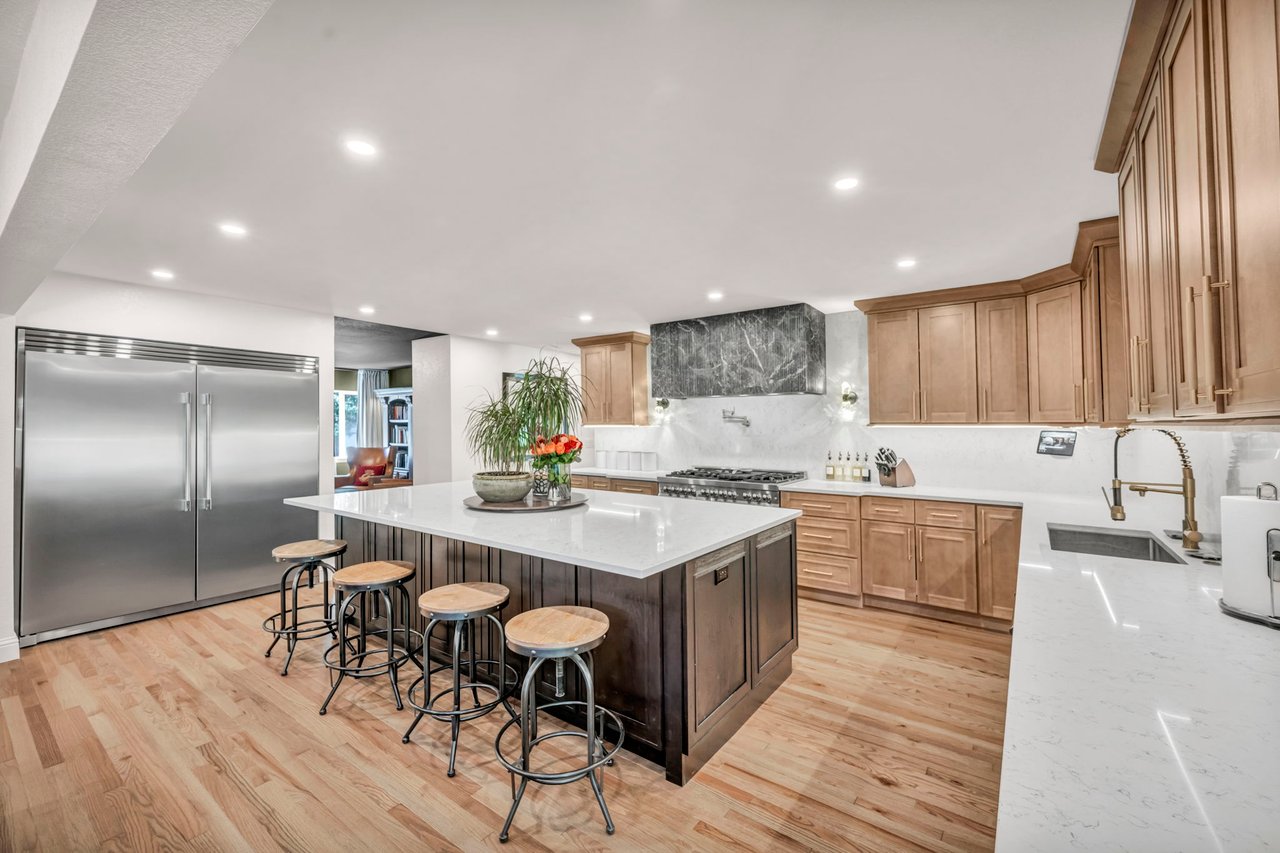
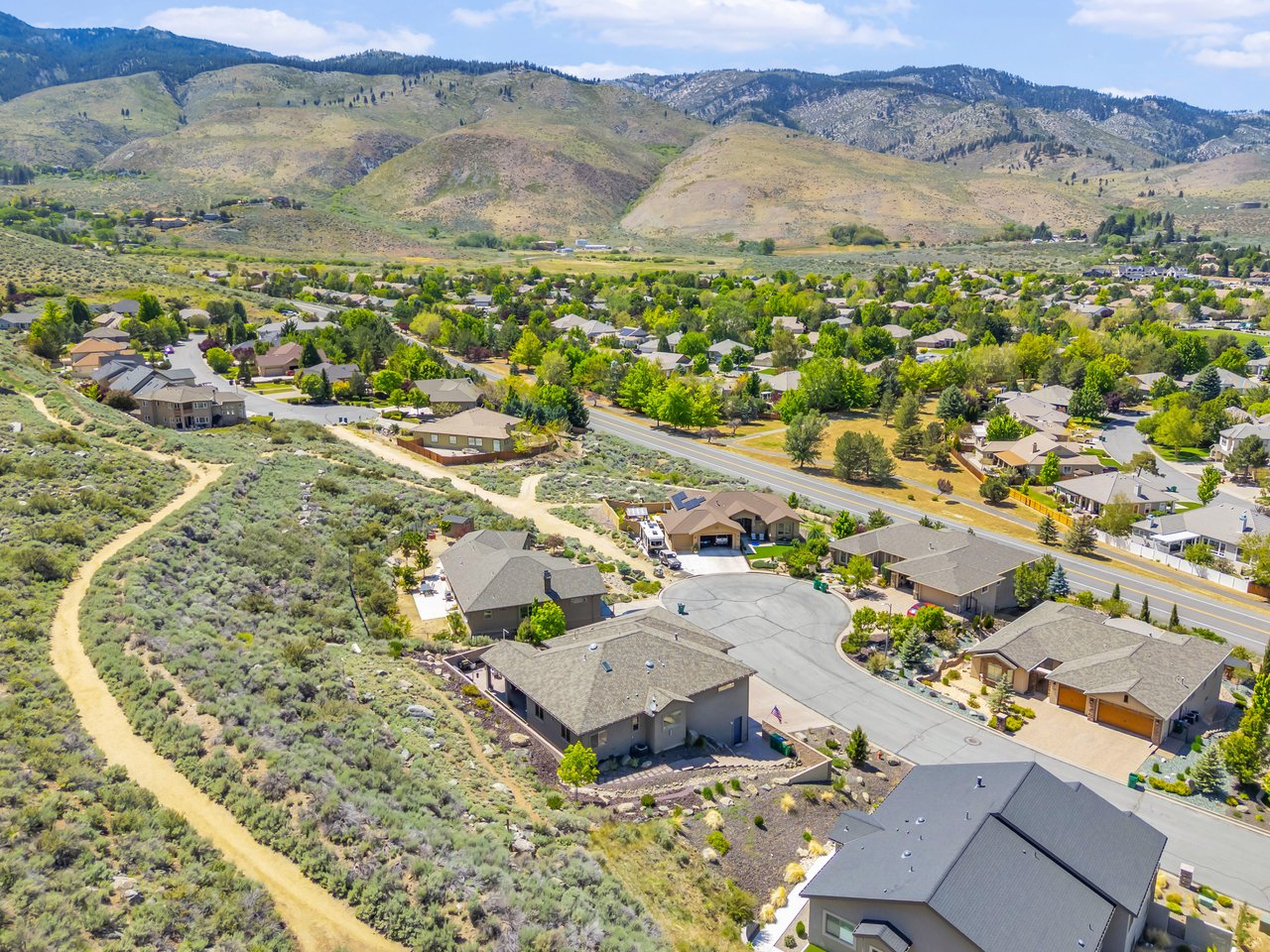
3233 Harvard Drive in Carson City, Nevada
Life in Nevada
Some homes check the boxes. Others create an experience.


Model 1 is now complete!

Whether you are looking for a luxury estate or a horse property, Heidi is the specialist you need. She combines her professional real estate acumen with a personal passion for the equestrian lifestyle. Connect with her to navigate the unique Northern Nevada landscape with confidence.